


QR Code
About Us
Products
Contact Us

Phone

Fax
0086-574-87527773

Email

Address
No 432 Zhenhai Middle Road, Luotuo Street, Zhenhai District, Ningbo City, Zhejiang China


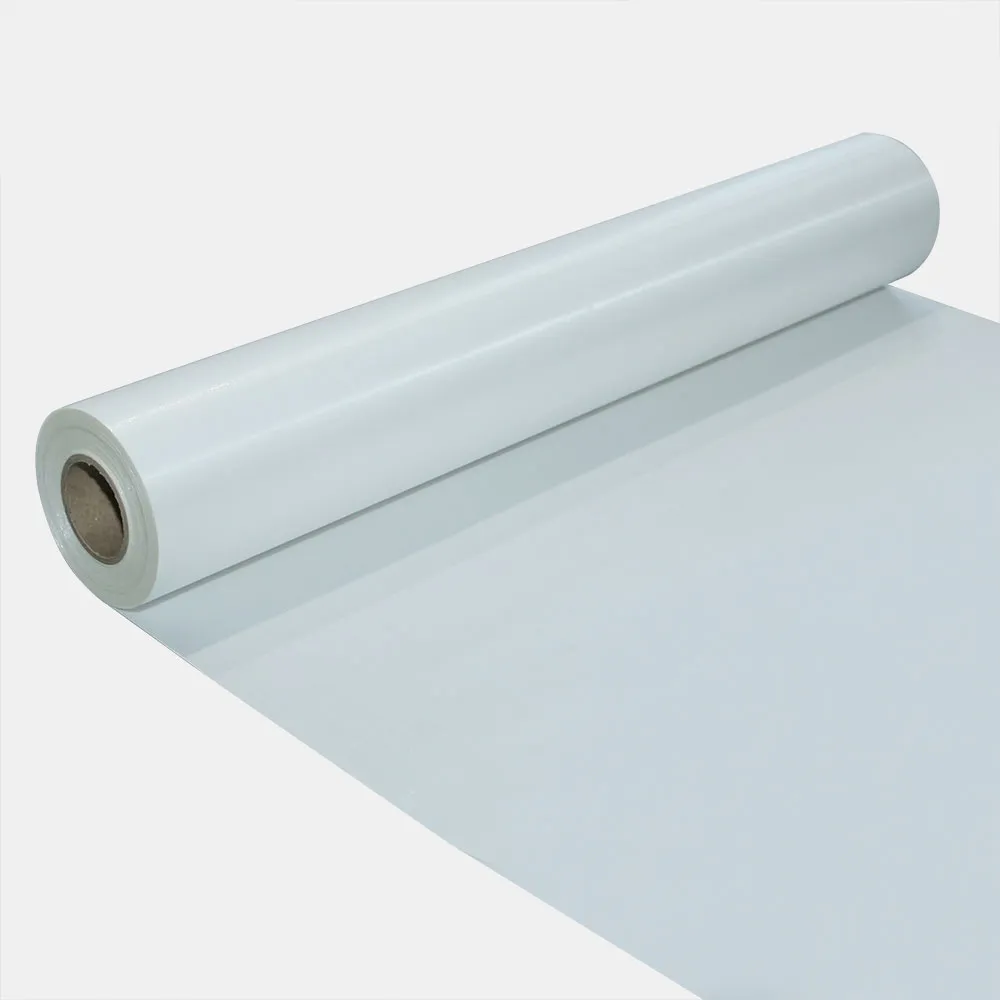
Ever walked through a modern building and admired the sleek, durable panels? Or perhaps wondered what gives high-end appliances their heat-resistant yet elegant finish? The answer often lies in a remarkable material. So, what industries commonly use glossy mica plates in manufacturing? This versatile component is a silent powerhouse, critical for performance and aesthetics in sectors ranging from construction and home appliances to aerospace and automotive. Its unique combination of electrical insulation, thermal stability, and a polished, professional appearance makes it indispensable. This article dives deep into the key manufacturing sectors that rely on glossy mica plates, exploring the specific challenges they solve and how sourcing from a specialized supplier can streamline your procurement and enhance product quality.
Article Outline:
Procurement managers in construction face a constant battle: sourcing materials that are both visually appealing for modern designs and capable of withstanding harsh environmental conditions. Standard panels might warp, fade, or pose fire risks, leading to costly replacements and safety concerns. This is where glossy mica plates become a game-changer. They offer an excellent fire-resistant barrier and exceptional weather resistance, ensuring long-term structural integrity and safety compliance. Their glossy finish provides an immediate high-end look for interior cladding, elevator panels, and decorative elements, eliminating the need for additional painting or finishing. For a project requiring both resilience and aesthetic finesse, glossy mica is the strategic choice.

Key Parameters for Construction-Grade Glossy Mica Plates:
| Parameter | Typical Specification | Benefit for Construction |
|---|---|---|
| Heat Resistance | Up to 900°C | Ensures fire safety and compliance with building codes. |
| Dielectric Strength | 15-25 kV/mm | Provides electrical insulation for integrated wiring systems. |
| Thickness Range | 0.1mm - 3.0mm | Offers flexibility for different structural and decorative applications. |
| Surface Finish | High-Gloss, Consistent | Delivers a premium appearance without post-processing. |
Imagine the interior of a high-end oven or a premium hair dryer. Suppliers to appliance manufacturers must deliver components that handle intense heat and electrical currents while looking sophisticated. The pain point is finding an insulating material that doesn’t compromise on the clean, modern interior design consumers expect. Glossy mica plates directly address this. They act as perfect thermal and electrical insulators in toasters, heaters, and microwave ovens, ensuring user safety and appliance longevity. Their smooth, non-porous surface is easy to clean and maintains its sheen even under continuous thermal cycling, directly enhancing the product's perceived value and reliability.
Glossy Mica in Appliance Manufacturing – A Quick Guide:
| Application | Critical Property | Why Glossy Mica Excels |
|---|---|---|
| Oven & Toaster Interiors | High-Temperature Insulation | Withstands repeated heating cycles without degradation or discoloration. |
| Hair Dryer & Heater Barriers | Electrical Insulation & Formability | Can be precision-punched into complex shapes for compact designs. |
| Decorative Trims & Panels | Aesthetic Appeal & Durability | Resists scratches and stains, maintaining a new-appliance look. |
In aerospace and automotive manufacturing, the stakes are incredibly high. Every component must be lightweight yet withstand extreme temperatures, vibrations, and electrical stresses. Sourcing managers here grapple with finding materials that meet rigorous certification standards without adding unnecessary weight. Glossy mica plates, especially when sourced as high-performance muscovite mica, provide an optimal solution. They are used in battery insulation for electric vehicles, thermal barriers in aircraft engines, and insulating washers in high-voltage systems. Their inherent stability under thermal shock and excellent dielectric properties make them critical for safety and performance in these demanding fields.
Performance Table for High-Tech Applications:
| Property | Aerospace/Automotive Requirement | Glossy Mica Advantage |
|---|---|---|
| Thermal Conductivity | Low, for effective insulation | Acts as an efficient thermal barrier, protecting sensitive components. |
| Weight-to-Strength Ratio | High (Lightweight but strong) | Mica is naturally thin and strong, contributing to weight reduction. |
| Corrosion Resistance | Excellent, for longevity | Inert material that does not react with fuels, oils, or chemicals. |
Q: What industries commonly use glossy mica plates in manufacturing beyond the obvious ones?
A: While construction, appliances, and automotive are major users, glossy mica plates are also vital in the electronics industry for circuit board insulation, in metallurgy for furnace viewing windows, and even in specialty lighting for heat shields due to their transparency to certain light spectra.
Q: How does the gloss finish affect the functional properties of the mica plate?
A: The gloss is typically a result of a high-quality surface treatment or the natural cleavage of muscovite mica. It does not detract from functional properties; in fact, a smooth, glossy surface can improve resistance to moisture absorption and make the plate easier to clean, which is crucial in sanitary appliance or food-processing equipment applications.
Navigating the specifications and sourcing reliable glossy mica plates can be complex. This is where partnering with an expert makes all the difference. Ningbo Kaxite Sealing Materials Co., Ltd. specializes in manufacturing high-quality mica-based products designed to meet the precise demands of these diverse industries. We understand that a procurement manager needs more than just a product; they need a solution that ensures supply chain reliability, consistent quality, and technical support. Our glossy mica plates are engineered for superior performance, offering the exact dielectric strength, thermal stability, and aesthetic finish your manufacturing process requires. Let us help you solve material challenges and enhance your end products.
We hope this guide clarified the extensive use of glossy mica plates in modern manufacturing. Are you currently evaluating materials for an upcoming project that requires exceptional insulation and a premium finish? What specific performance parameters are most critical for your application?
For tailored solutions and reliable supply of high-performance glossy mica plates, consider Ningbo Kaxite Sealing Materials Co., Ltd.. With a focus on quality and customer-specific requirements, we provide the materials that help your products excel. Contact our team today at [email protected] to discuss your needs.
D. R. V. S. R. K. Prasad, 2021, "Enhancement of Dielectric Properties in Mica-Based Composites for Insulation Applications", Journal of Materials Science: Materials in Electronics, Vol. 32, Issue 15.
Li, W., & Zhang, H., 2020, "Thermal Stability and Mechanical Properties of Muscovite Mica Plates under Extreme Conditions", Composite Structures, Vol. 252.
Johnson, P. M., et al., 2019, "Mica as a High-Temperature Insulator in Aerospace Components: A Review", International Journal of Applied Ceramic Technology, Vol. 16, No. 4.
Chen, X., & Wang, F., 2018, "Application of Processed Mica Sheets in Household Appliance Safety Standards", Applied Thermal Engineering, Vol. 145.
Müller, A., & Schmidt, R., 2017, "Electrical Insulation Performance of Glossy Surface-Treated Mica in Humid Environments", IEEE Transactions on Dielectrics and Electrical Insulation, Vol. 24, No. 6.
Tanaka, Y., & Sato, K., 2016, "Comparative Study on the Weathering Resistance of Different Natural Mineral Insulators", Construction and Building Materials, Vol. 128.
O'Connell, J., 2015, "Advanced Mica Composites for Automotive Battery Thermal Management Systems", SAE International Journal of Materials and Manufacturing, Vol. 8, Issue 2.
Roberts, S. E., 2014, "The Role of Mica in Fire-Rated Building Materials: An Analysis", Fire Safety Journal, Vol. 69.
Gupta, N., & Agarwal, A., 2013, "Machinability and Formability Characteristics of Flexible Mica Plates for Electronic Substrates", Journal of Manufacturing Processes, Vol. 15, Issue 3.
Fischer, T., 2012, "Sustainable Sourcing and Processing of Natural Mica for Industrial Applications", Resources, Conservation and Recycling, Vol. 67.
0086-574-87527773
No 432 Zhenhai Middle Road, Luotuo Street, Zhenhai District, Ningbo City, Zhejiang China