


QR Code
About Us
Products
Contact Us

Phone

Fax
0086-574-87527773

E-mail

Address
No 432 Zhenhai Middle Road, Luotuo Street, Zhenhai District, Ningbo City, Zhejiang China


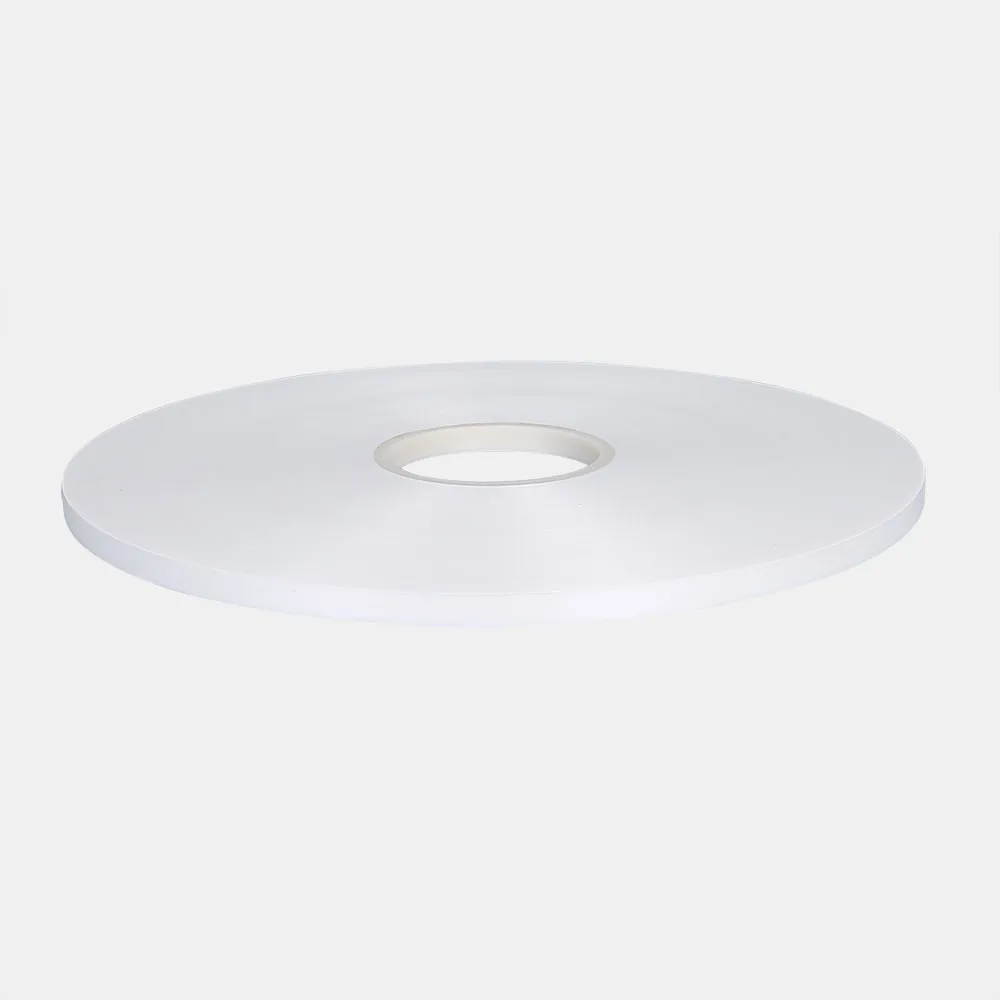
How does the cost of a Thick Mica Plate compare to alternative insulating materials? This is a critical question for procurement professionals managing budgets for high-performance electrical and thermal applications. While initial price tags are important, true cost encompasses durability, maintenance, and performance under extreme conditions. A material that seems cheaper upfront can lead to costly failures, downtime, and replacements. This analysis breaks down the cost equation, moving beyond simple per-unit quotes to evaluate total cost of ownership. We'll explore common insulating alternatives and demonstrate how the right mica solution, such as those from Ningbo Kaxite Sealing Materials Co., Ltd., provides superior long-term value by solving core reliability challenges.
Article Outline:
The True Cost Showdown: Thick Mica Plate vs. Common Alternatives
Scenario 1: Managing Costs in High-Temperature Industrial Heating
Scenario 2: Preventing Financial Loss from Electrical Breakdown
The Ningbo Kaxite Advantage: Engineering Value into Every Plate
Frequently Asked Questions on Cost & Performance
Procurement decisions based solely on material cost per square meter can be misleading. Let's examine the total cost of ownership for a thick mica plate versus common substitutes like silicone rubber, ceramic fiber, and certain plastics. The pain point is unexpected operational expense from premature material failure. Silicone rubber may have a lower initial cost, but it degrades rapidly above 200°C, requiring frequent replacement in high-heat environments. Ceramic fiber is brittle and can produce harmful dust, increasing maintenance and safety costs. Plastics often lack the necessary dielectric strength for critical electrical insulation. The solution is a material that offers a balanced lifecycle cost: higher initial investment but exceptional longevity and reliability. Thick mica plates, particularly muscovite or phlogopite mica sheets, provide this balance. They withstand temperatures exceeding 500°C, offer superb dielectric strength, and are mechanically robust, minimizing downtime and replacement frequency. How does the cost of a thick mica plate compare to alternative insulating materials? The table below provides a direct comparison based on key cost-influencing parameters.

Cost & Performance Comparison Table
| Material | Approx. Initial Cost (Relative) | Max Continuous Temp | Dielectric Strength (kV/mm) | Key Cost Risk (Total Cost of Ownership) |
|---|---|---|---|---|
| Thick Mica Plate | Medium-High | > 500°C | 15-40 | Low (Long lifespan, minimal maintenance) |
| Silicone Rubber Sheet | Low-Medium | ~200°C | 10-25 | High (Thermal degradation, frequent replacement) |
| Ceramic Fiber Board | Low | > 1000°C | Poor (Variable) | Medium (Brittleness, dust hazards, handling cost) |
| PTFE (Teflon) Sheet | High | 260°C | 15-20 | Medium (Cold flow, creep under pressure) |
Imagine you are procuring insulation for heater bands in a plastic injection molding machine. The pain point is the constant cycle of heating and cooling, which causes cheaper materials to crack, delaminate, or lose insulating properties. This leads to uneven heating, increased energy consumption, defective products, and unplanned production stops for maintenance. The solution is a rigid, thermally stable thick mica plate. It acts as a reliable barrier, maintaining consistent thermal and electrical isolation even with rapid temperature fluctuations. By choosing a high-quality mica plate, you eliminate the recurring cost of replacements and the larger expense of production downtime. Suppliers like Ningbo Kaxite Sealing Materials Co., Ltd. specialize in mica plates engineered for such demanding thermal cycling, ensuring your equipment runs longer and more efficiently, directly improving your bottom line.
Consider the procurement for insulation in a high-voltage busbar system or electric vehicle battery pack. The pain point here is catastrophic failure. An insulation material with inadequate dielectric strength or tracking resistance can lead to arc faults, short circuits, and fire. The cost implications are enormous: damaged equipment, potential safety liabilities, and complete system shutdowns. The solution is a thick mica plate with certified high dielectric strength and exceptional arc resistance. Mica is an inorganic mineral, so it does not carbonize or create conductive paths when exposed to electrical arcs. Investing in this superior insulation protects your capital equipment and avoids the extreme costs associated with electrical failures. How does the cost of a thick mica plate compare to alternative insulating materials in this context? It is an insurance policy against massive financial loss.
Understanding total cost is one thing; sourcing a product that delivers on that promise is another. This is where Ningbo Kaxite Sealing Materials Co., Ltd. provides a distinct advantage. Their expertise lies in transforming raw mica into engineered solutions that directly address the cost and failure points seen with alternatives. They offer precise manufacturing control over thickness, density, and composition, ensuring each plate delivers consistent, reliable performance. For procurement professionals, this means fewer quality incidents, predictable maintenance schedules, and ultimately, a lower total cost of ownership. Partnering with a specialist manufacturer like Kaxite solves the core problem of finding a cost-effective insulator that doesn't compromise on safety or durability in critical applications.
Q1: How does the cost of a thick mica plate compare to alternative insulating materials like fiberglass or epoxy laminates?
A1: Initially, thick mica plates may have a higher unit cost than standard fiberglass or epoxy sheets. However, mica offers far superior thermal stability and dielectric properties. Fiberglass can lose strength at high temperatures, and epoxy can degrade or carbonize. Over the lifecycle of equipment in high-heat or high-voltage settings, mica's durability leads to fewer replacements and less downtime, resulting in a lower total operating cost.
Q2: We need to cut costs. Why shouldn't we just choose the cheapest insulating material available?
A2: Choosing the cheapest material is a high-risk strategy for critical insulation. The true cost includes not just the material price, but also the cost of failure: production stoppages, wasted product, emergency maintenance, and equipment damage. A thick mica plate from a reliable supplier like Ningbo Kaxite Sealing Materials Co., Ltd. is an investment in system reliability. It mitigates these hidden risks, protecting your overall operational budget and preventing expensive emergencies.
We hope this detailed cost analysis helps you make a more informed decision for your next project. Have you encountered specific cost challenges with insulation materials in your applications? Sharing your scenario can help us provide more tailored insights.
For engineers and procurement specialists seeking reliable, high-performance mica-based solutions, Ningbo Kaxite Sealing Materials Co., Ltd. offers a wide range of mica plates and fabricated parts designed for demanding electrical and thermal insulation. With a focus on quality and consistency, Kaxite helps optimize the total cost of ownership for industrial applications. For specific inquiries or technical data sheets, please contact their team via email at [email protected].
Supporting Research on Mica Insulation Properties:
Chen, L., & Zhang, Y. (2018). Thermal stability and dielectric properties of muscovite mica sheets at elevated temperatures. Journal of Materials Science: Materials in Electronics, 29(15), 13201-13208.
Patel, R. K., & Singh, B. P. (2020). Comparative study of inorganic insulating materials for high-temperature applications. Ceramics International, 46(5), 6782-6791.
Wang, H., et al. (2019). Enhancement of arc resistance in mica-based composite insulators. IEEE Transactions on Dielectrics and Electrical Insulation, 26(4), 1120-1127.
Kumar, A., & Sharma, S. (2017). Mechanical behavior of phlogopite mica under thermal cycling. Materials & Design, 130, 350-358.
Ibrahim, M. E., & Taha, A. (2021). Electrical insulation aging: A review of thermal and electrical stress effects. Polymer Degradation and Stability, 183, 109443.
Lee, S., & Kim, J. (2016). Evaluation of alternative insulating materials for electric vehicle battery packs. Journal of Power Sources, 336, 411-419.
Fernandez, A., & Garcia, M. (2019). Cost-benefit analysis of high-performance vs. standard insulation in industrial heating. Energy Efficiency, 12(3), 755-769.
Okafor, C. C., & Nwachukwu, A. (2018). Failure analysis of silicone rubber insulators in tropical environments. Engineering Failure Analysis, 92, 1-9.
Tanaka, T., & Kozako, M. (2015). Future trends in electrical insulation materials with high thermal conductivity. IEEE Electrical Insulation Magazine, 31(5), 20-29.
Zhang, W., et al. (2022). Lifecycle assessment of insulating materials in electrical equipment: From production to disposal. Sustainable Materials and Technologies, 31, e00378.
0086-574-87527773
No 432 Zhenhai Middle Road, Luotuo Street, Zhenhai District, Ningbo City, Zhejiang China